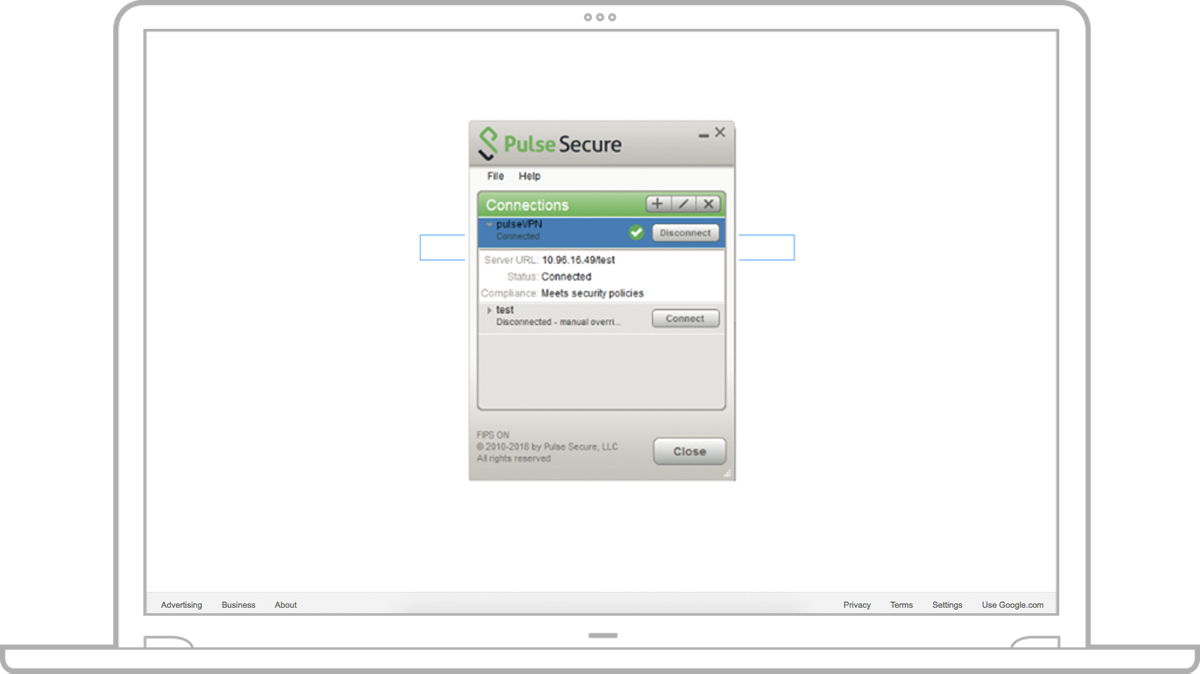
Secure Access solutions that enterprises rely on to help make their workforce more productive.
Zero Trust Access
Pulse Zero Trust Access (PZTA) is now Ivanti Neurons for Zero Trust Access.
Delivering Secure Access Solutions
Secure Access solutions that enterprises rely on to help make their workforce more productive.
Pulse Zero Trust Access (PZTA) is now Ivanti Neurons for Zero Trust Access.
Pulse Connect Secure is now Ivanti Connect Secure.
Pulse Policy Secure is now Ivanti NAC.
Pulse Secure Access Client is now Ivanti Secure Access Client.
In 2014, Siris Capital acquired the Junos Pulse business from Juniper Networks and formed the standalone entity, Pulse Secure. With the mission of empowering business productivity through secure and seamless mobility, the company began a new journey to help tackle mobile-security challenges. In the same year, Pulse Secure acquired the leading mobile security provider, MobileSpaces. In 2015, Pulse Secure launched Pulse One, which provided central policy management that enabled secure access for all endpoints and mobile devices to corporate applications on-premises and in the cloud.
Pulse Secure was acquired by Ivanti on December 1, 2020.
Our technical representatives stand ready to help you keep your end-users productive and deliver information that provides easy-to-find answers to common questions.
Log a support issue via self-service, contact your local support team for personalized assistance, collaborate with experts, search knowledge base articles, and participate in discussion forums.